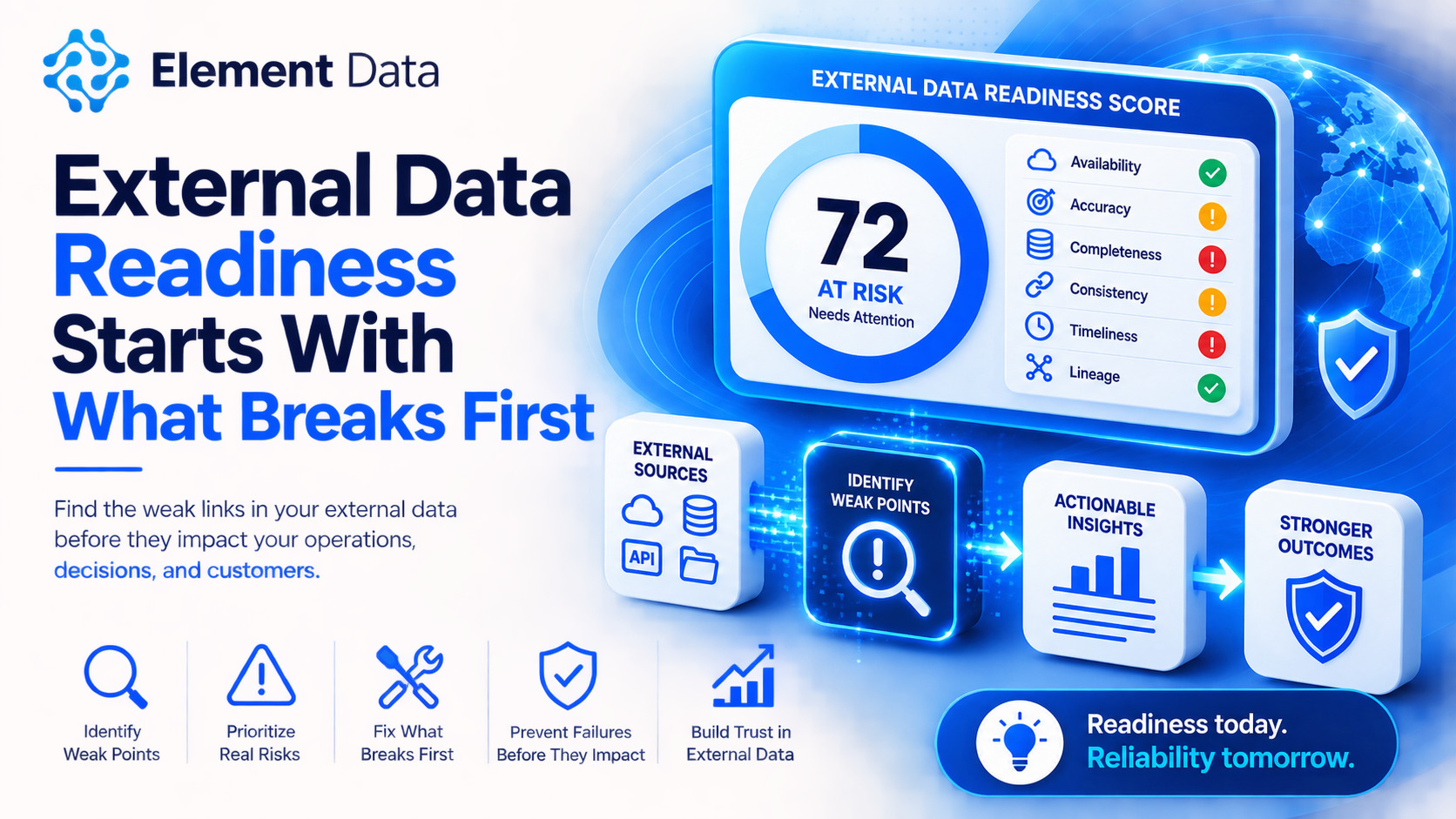
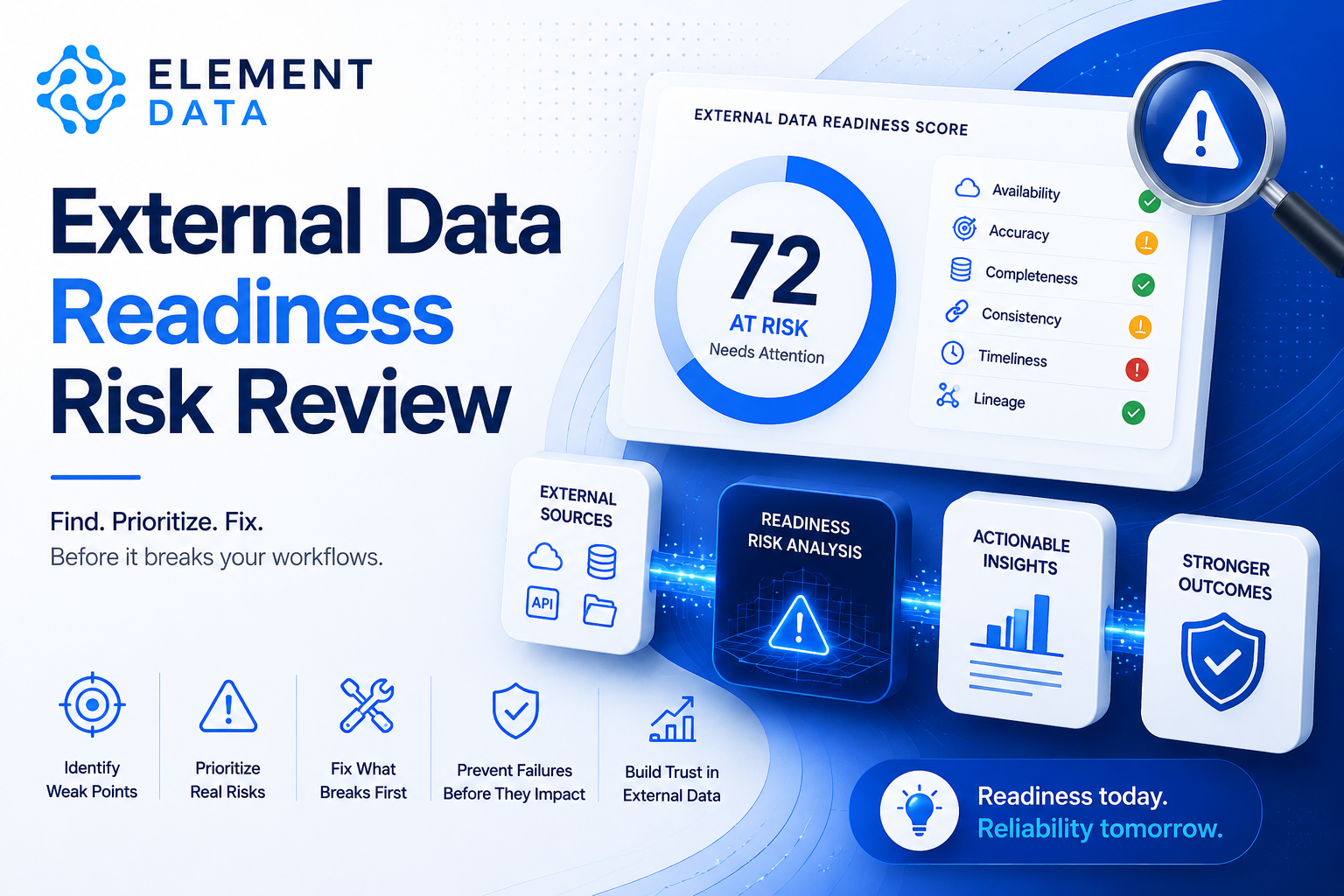
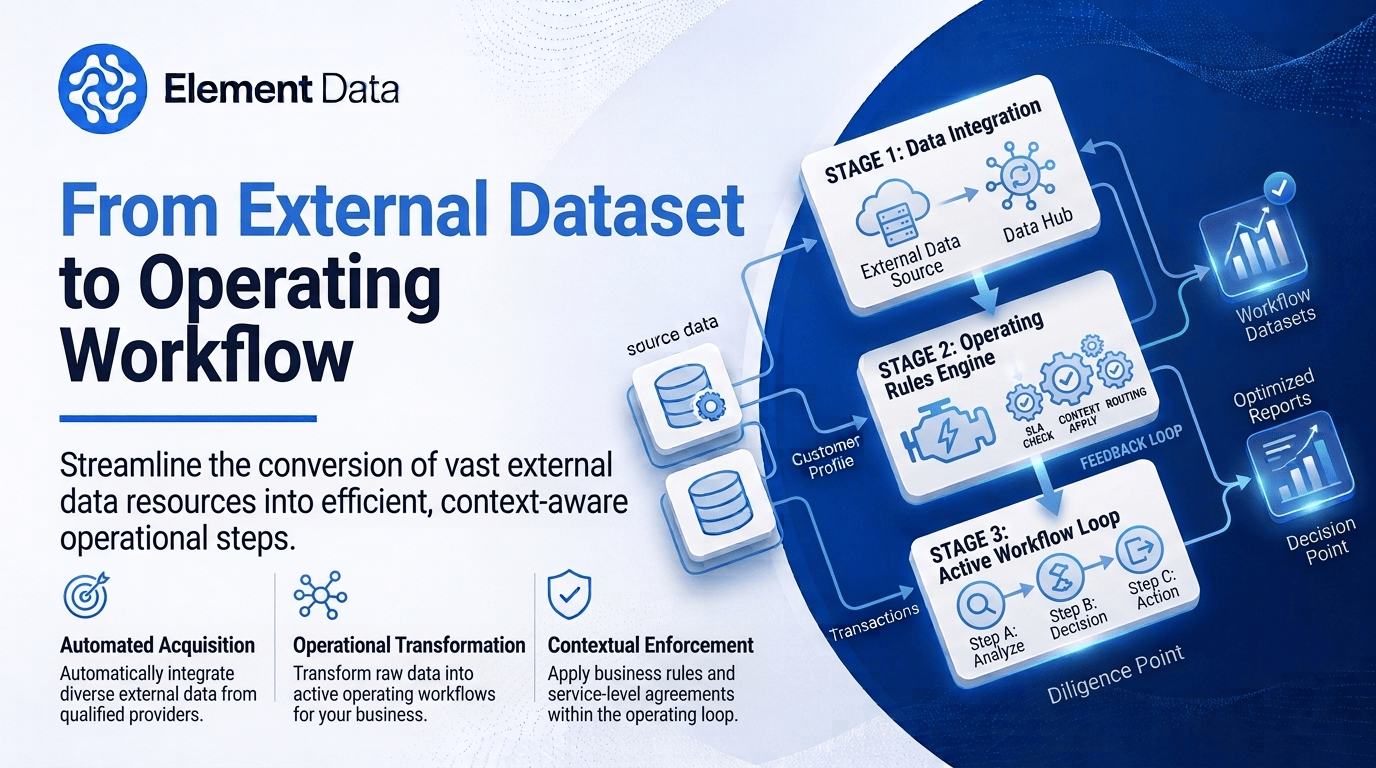
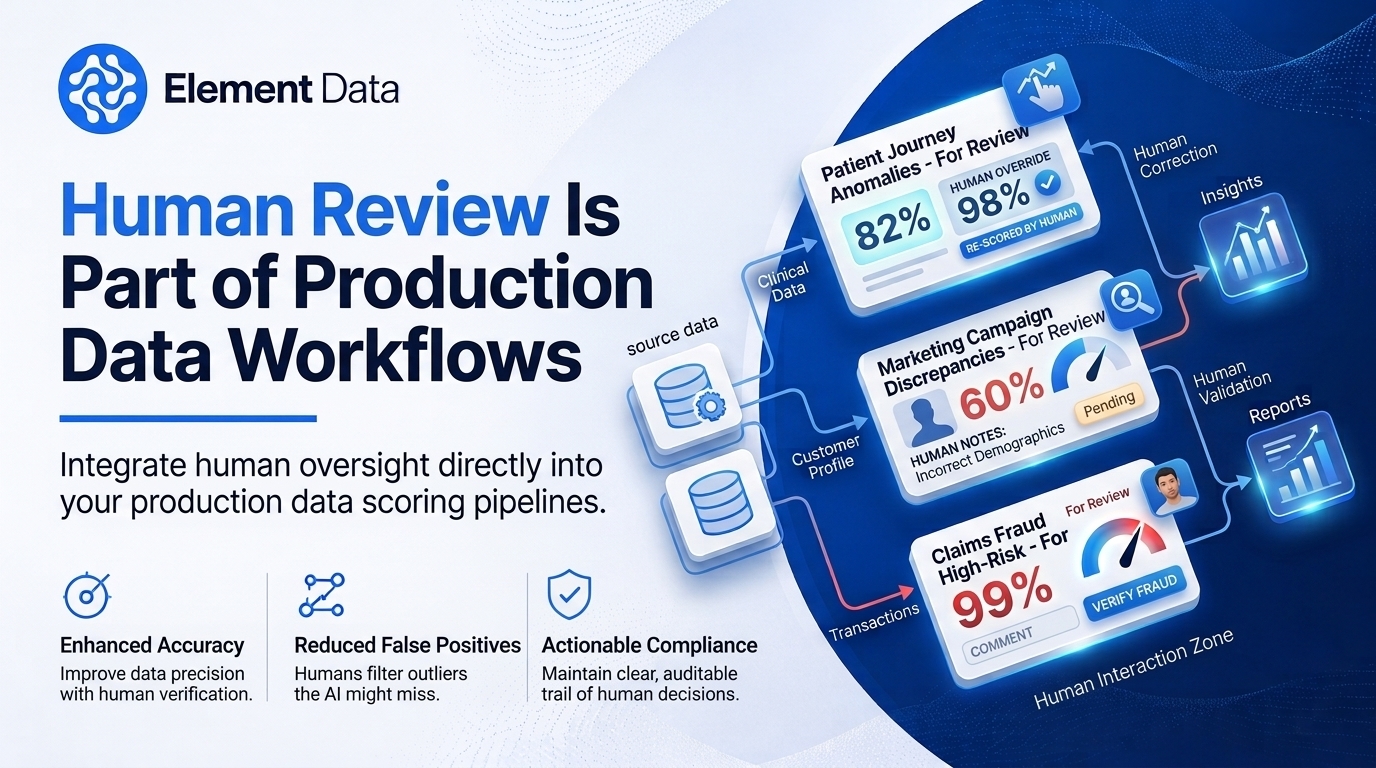
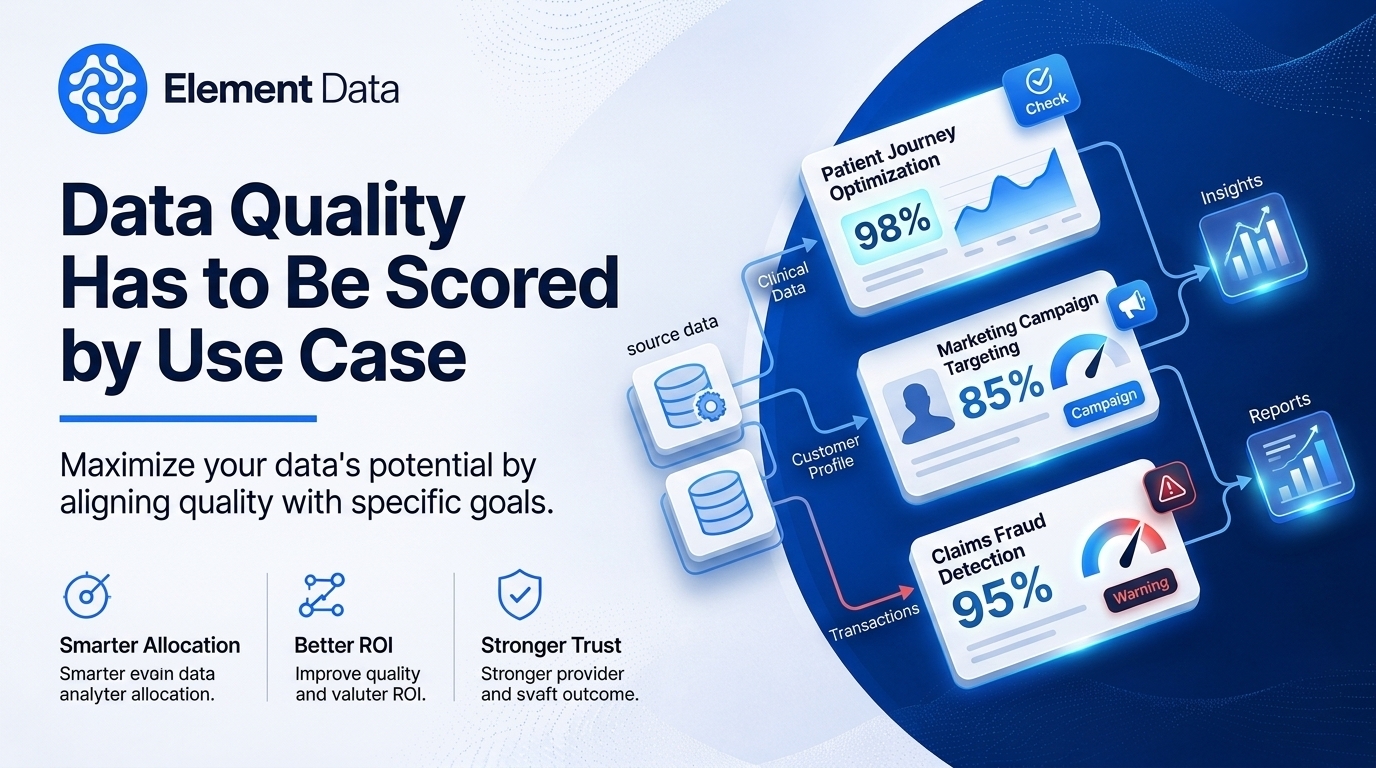
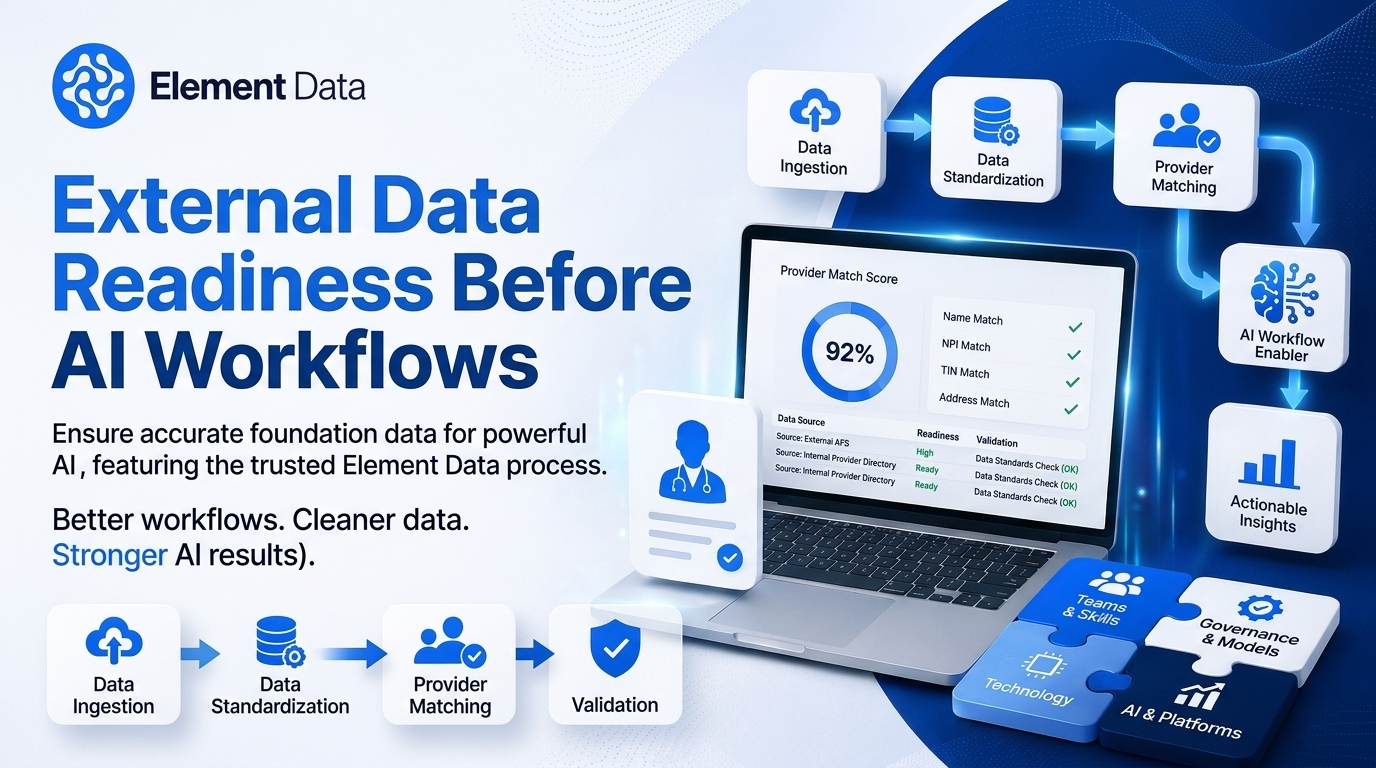
External data problems usually show up too late. The dataset has already been purchased. The integration has already started. The AI workflow has already been scoped. Then the hard questions appear.
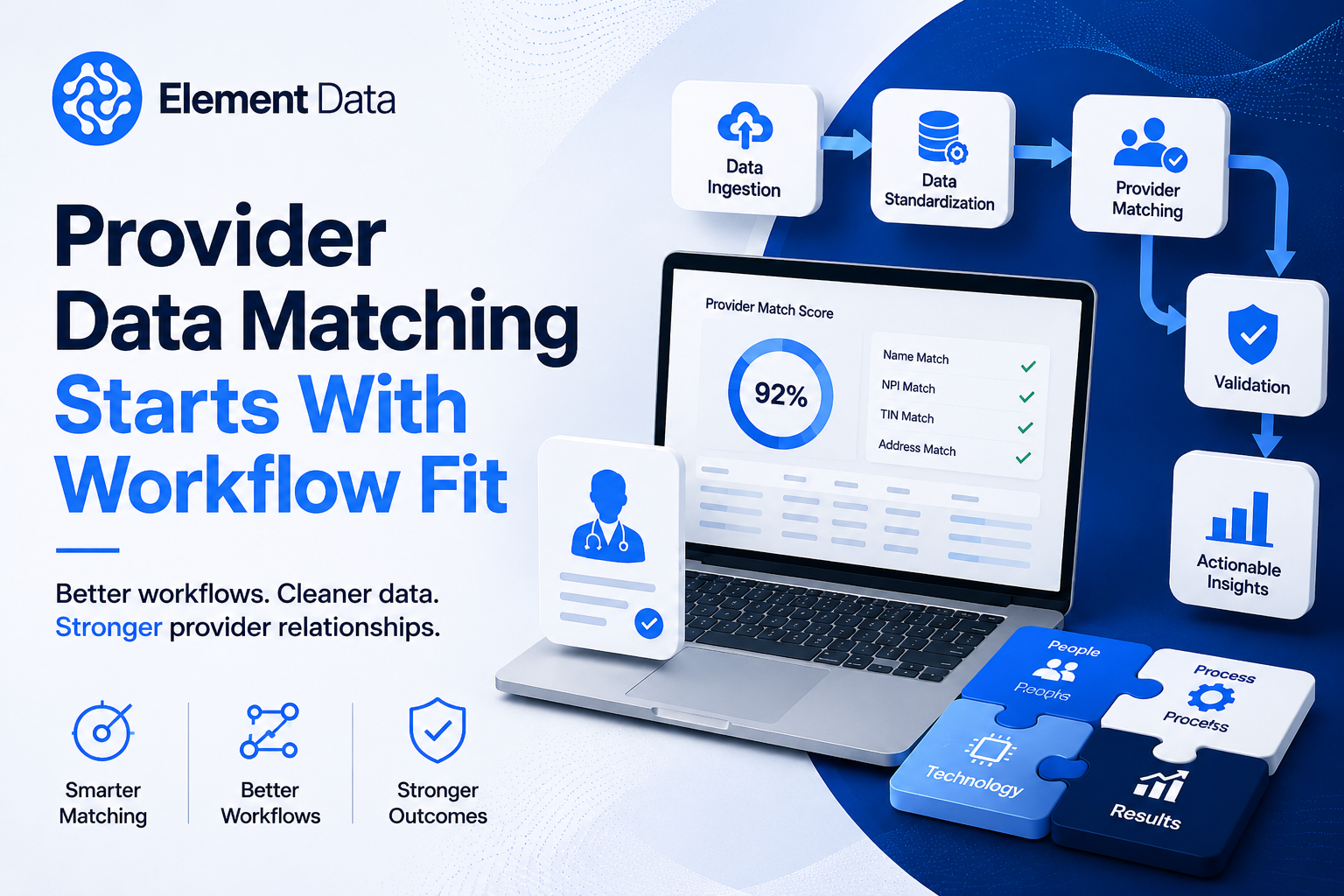
Provider data matching is not a generic enrichment task. A patient-routing platform, a payer analytics team, and a pharma commercial team may all need provider data, but they do not need it for the same job.
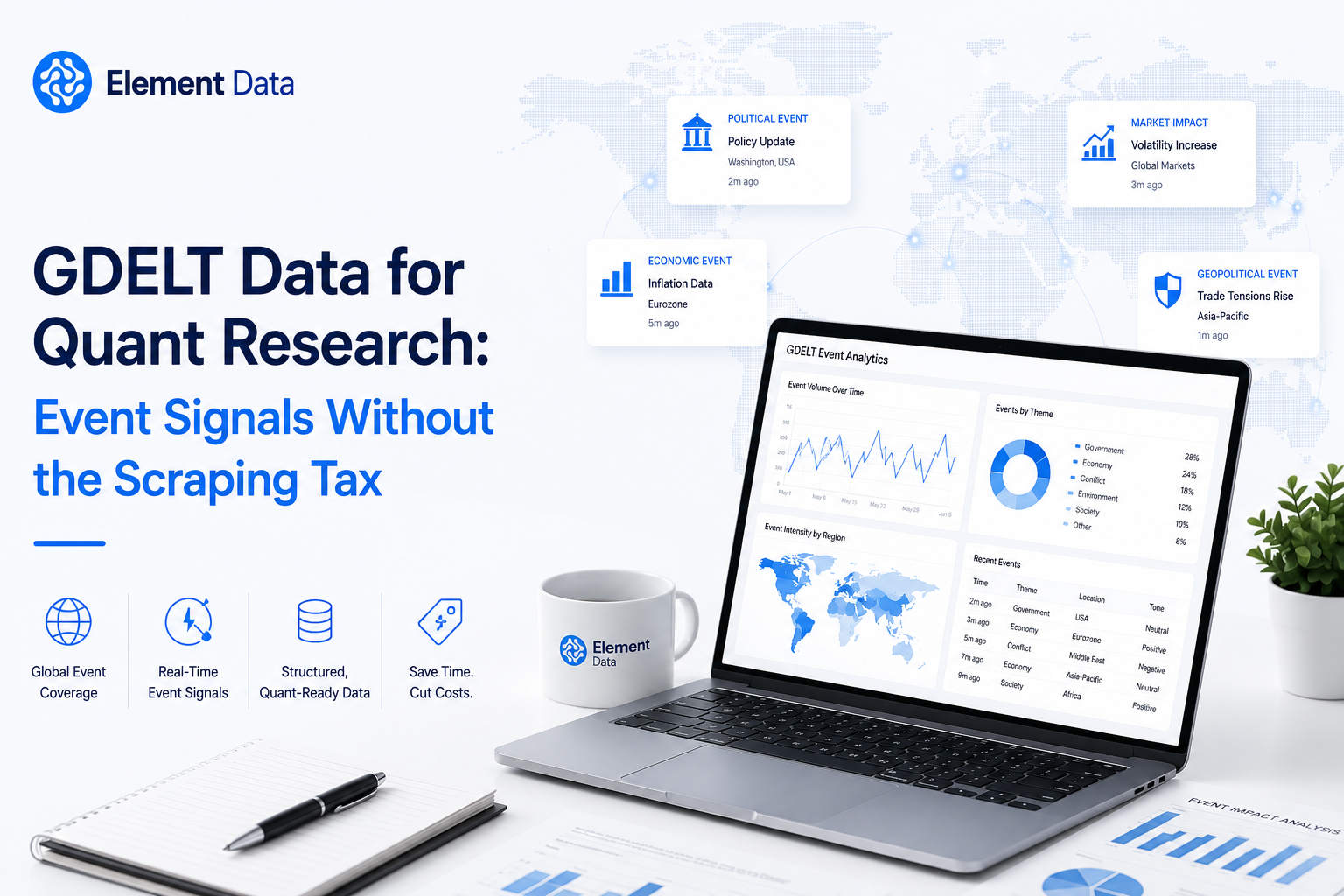
GDELT data for quant research delivers structured global event signals inside Snowflake. Skip the scraping and normalization tax. Start testing event-driven hypotheses on day one.
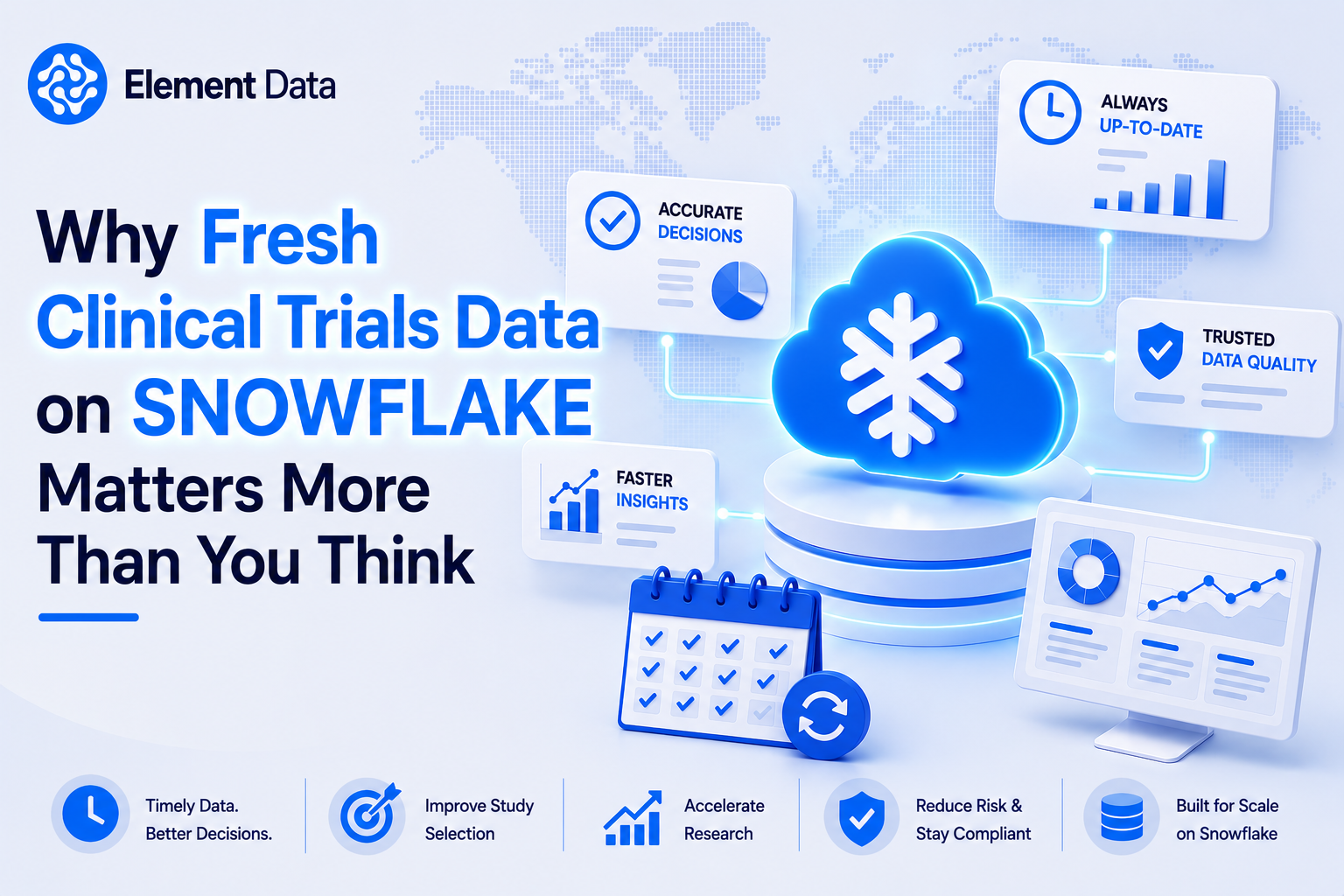
Most teams focus on schema quality when they evaluate external clinical trials data on snowflake. Clean field names. Consistent formatting. Predictable joins. These things matter.
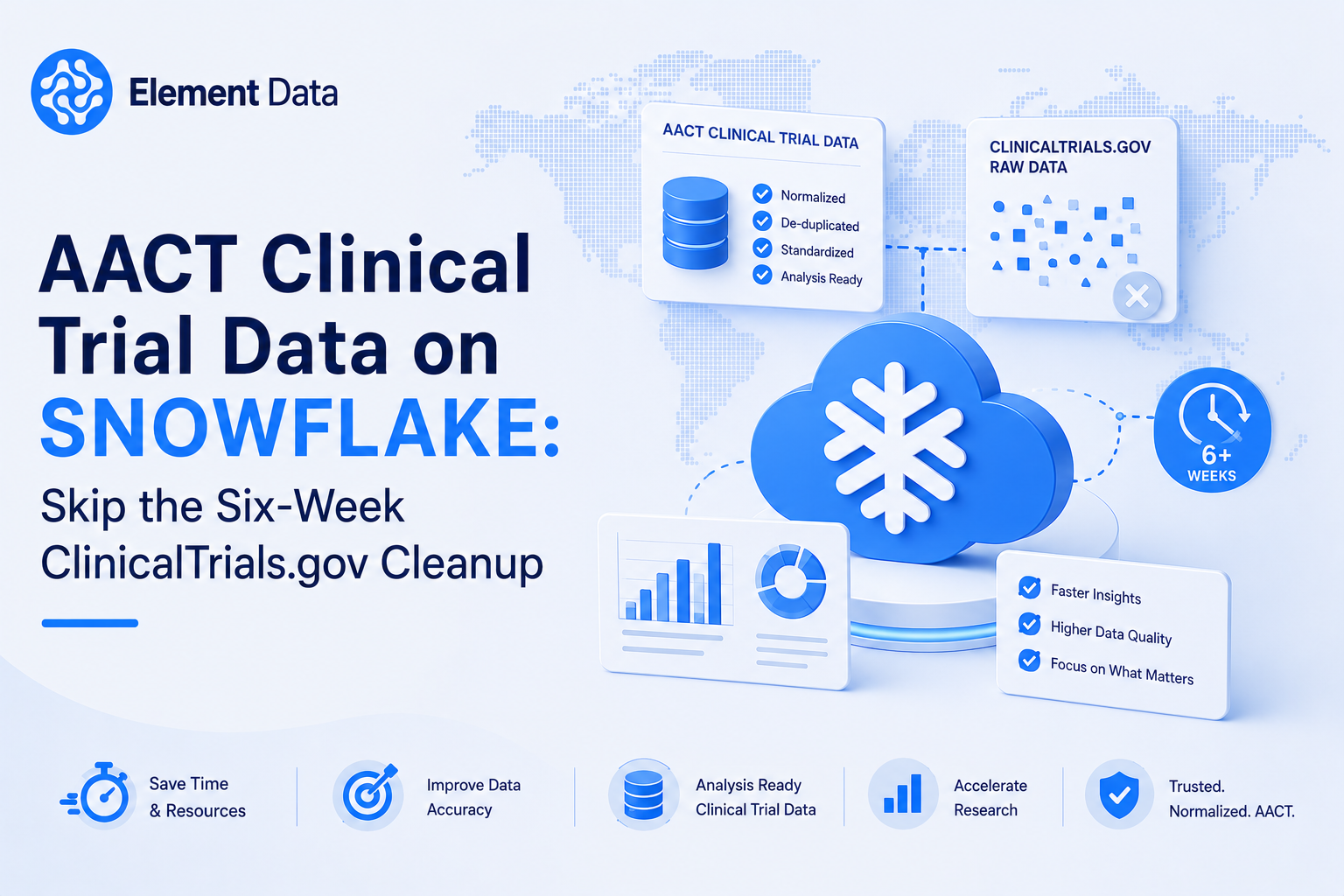
Raw ClinicalTrials.gov downloads cost pharma teams six weeks of normalization before analysis can start. Element Data’s AACT clinical trial data on Snowflake arrives normalized, structured, and ready to query.
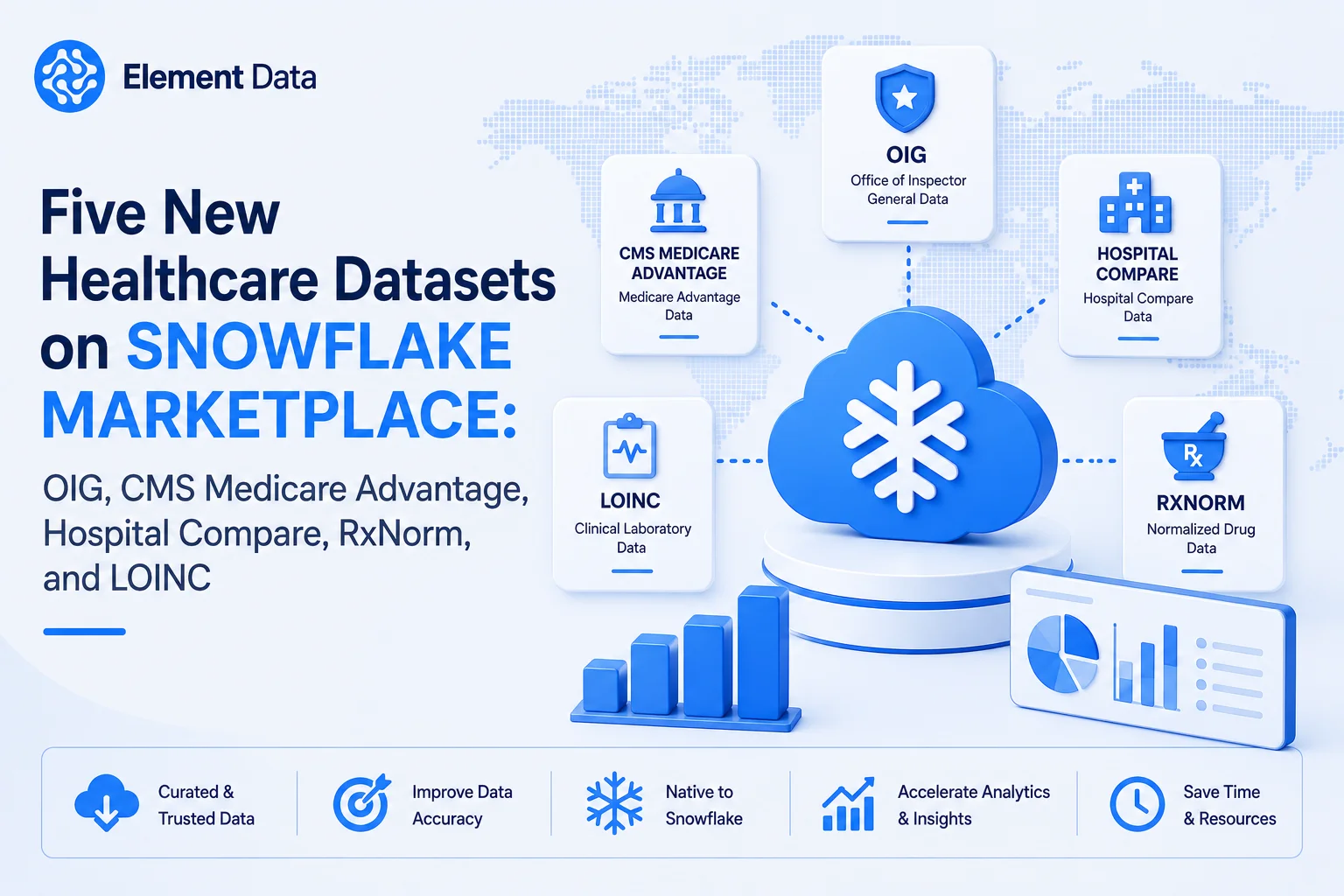
Element Data just launched five new healthcare datasets on Snowflake Marketplace: OIG LEIE, CMS Medicare Advantage, Hospital Care Compare, RxNorm, and LOINC. Enterprise-ready data, no pipeline required.