
Complete, correct, and standardise your provider records against authoritative NPPES / NPI data – by joining in place, inside your own Snowflake account.
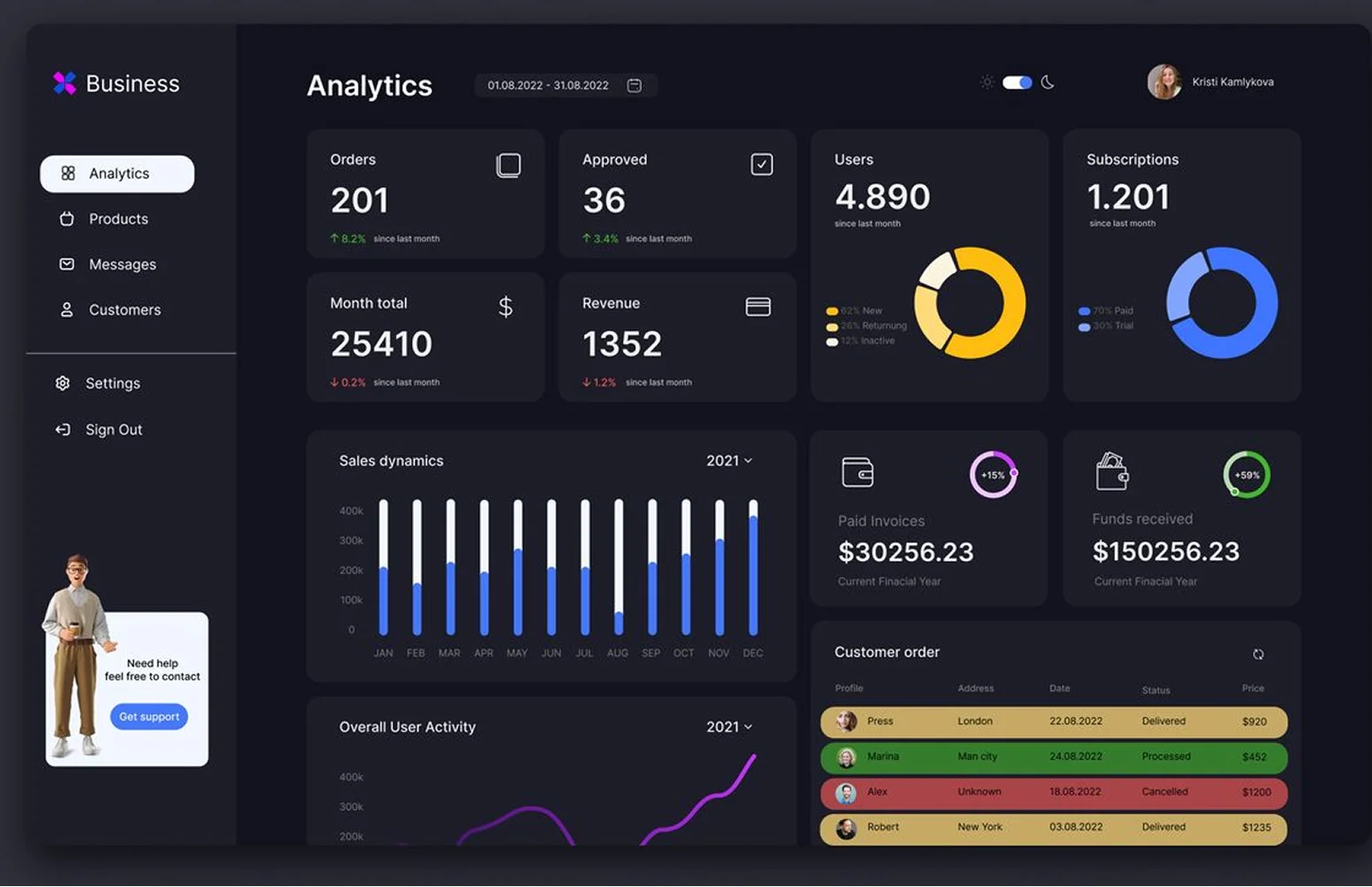



Provider data enrichment is the process of completing, correcting, and standardising healthcare provider records against an authoritative source. Element Data does it Snowflake-native: the full NPPES / NPI dataset sits in your account, so you append NPI, specialty, and location and reconcile identities in SQL – no vendor pipelines, no data leaving your environment.
Provider data enrichment appends missing attributes and corrects errors in provider records – filling in NPI numbers, specialty and taxonomy codes, practice locations and organisational affiliations, and resolving duplicate or mismatched identities. It turns partial CRM, claims, or onboarding records into complete, standardised provider profiles suitable for analytics and operations.
Every healthcare organisation has this problem in some form, because provider records enter the business through a dozen doors: a sales rep types a name, a claims feed carries a legacy ID, an onboarding form is half-completed. None of those sources agree with each other, and none of them are authoritative.
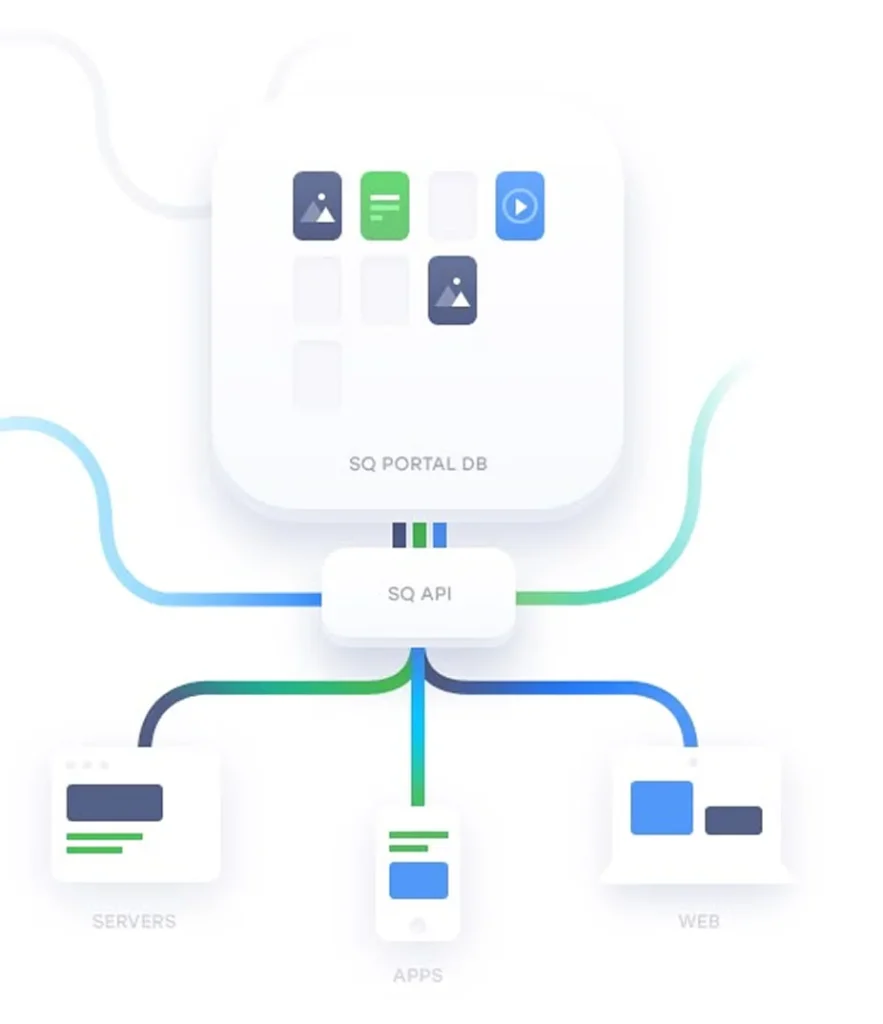
Attach the authoritative National Provider Identifier to each record.
Standardise provider specialties to CMS taxonomy codes instead of free text.

validate and refresh against the current directory.
link individual (Type 1) providers to organisations (Type 2).
flag deactivated NPIs so stale records stop polluting downstream systems.
Traditional enrichment means shipping your provider list to a vendor, waiting for an appended file, and re-importing it – repeatedly, as your data drifts. With NPPES delivered into your Snowflake account, enrichment becomes a join.
Where established vendors still win. Master-data platforms like Tamr, Reltio and specialists like CarePrecise bring survivorship rules, stewardship workflows and multi-domain mastering that a shared dataset simply does not have. The honest framing is that they solve a bigger problem. If your requirement is authoritative provider reference data sitting next to your records, you probably do not need that bigger problem solved – and the Snowflake-native route is dramatically lighter.
Fill gaps and fix errors in CRM or provider master data
Keep provider directories accurate and defensible for compliance review.
Deduplicate & resolve provider identities across systems that were never designed to reconcile.
Prepare clean provider data for network and referral analytics.
Improve patient routing accuracy by removing deactivated & mislocated providers from referral logic.
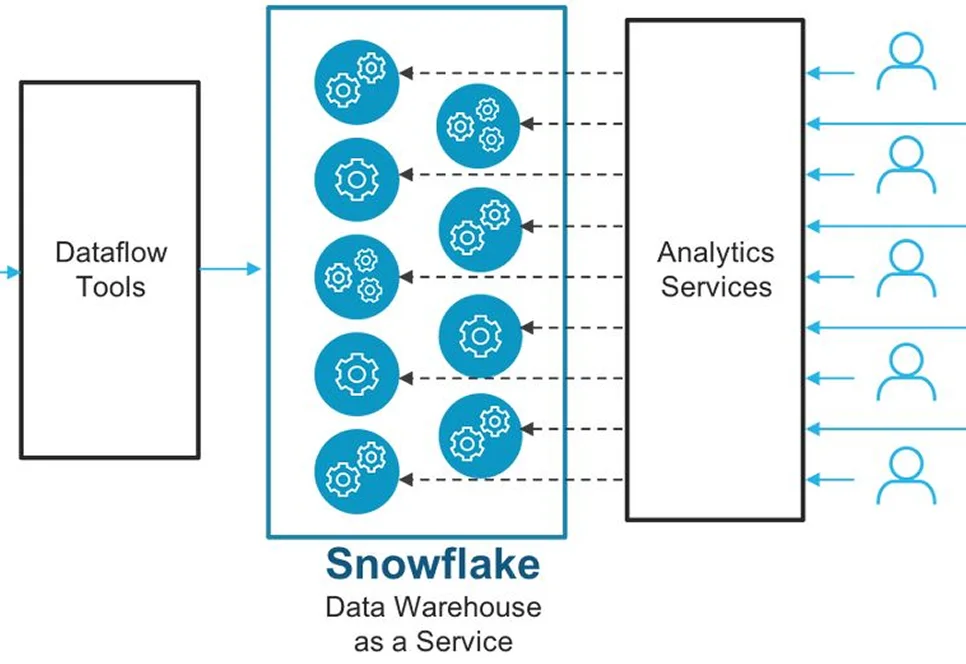
A Snowflake account, a table of provider records, and someone who writes SQL. That is genuinely the list. The share is typically live the same working day, and the first enrichment query is usually written in the same session.
If the provider data problem you are solving is really a contracting problem – payer rate benchmarking, fee schedule automation, value-based performance tracking – our sister company Liquid Health AI builds exactly that for IPAs, MSOs, and provider networks. And if you need the surrounding data platform built, Liquid Technologies handles Snowflake architecture and pipelines.
The authoritative NPPES / NPI dataset published by CMS, delivered live in Snowflake so you match against current provider records rather than a snapshot someone downloaded last quarter. Full details on the NPPES / NPI dataset page.
No. The reference data is shared into your Snowflake account, so enrichment happens in place. Your provider records – and anything sensitive sitting alongside them – never cross your governance boundary. That is the structural difference from a send-a-list enrichment vendor, and for healthcare organisations it is usually the deciding factor.
Those are mastering and enrichment platforms, and they do more than we do: survivorship rules, workflow, stewardship UIs, multi-domain MDM. Element Data’s approach is narrower and different in shape – Snowflake-native delivery of the authoritative provider dataset, so you enrich by joining in place rather than running an external pipeline. If you need a full MDM platform, buy one. If what you actually need is current, authoritative provider reference data next to your records, this is a much lighter answer.
We provide the reference data, not the matching engine – deliberately. Your matching rules encode decisions about your own data quality that we cannot make for you, and a black-box match rate is exactly what customers tell us they dislike about traditional enrichment. Most teams start with exact NPI matching where the identifier exists, then name-plus-location fuzzy matching for the rest. We are happy to review your approach on a call.
Monthly is the common cadence, because CMS publishes a full replacement file monthly. Some teams run weekly to catch incrementals and deactivations. The scheduling cost is near zero once it is a SQL job – which is the practical argument for doing it on a schedule rather than annually.
It supports it. Directory accuracy requirements – including those under the No Surprises Act – expect regular verification against authoritative sources, and NPPES is the authoritative source for provider identity, taxonomy, and address. Compliance also depends on your outreach and attestation processes, which are outside what any dataset can do for you.
Element Data is built by Liquid Technologies (Liqteq). We deploy frontier AI inside healthcare and regulated organisations’ own environments, cloud or on-premises, so they get frontier capability without their data ever leaving their control. When a project needs pipelines or models built around that data, the same team does it, inside the same boundary.

AI solutions provider and data engineering, delivered inside your environment.

AI-powered payer contract intelligence for IPAs, MSOs, and provider networks.

Video intelligence turning camera feeds into real-time operational alerts.

The AI operations layer for teams, deployed inside your own cloud.
We share AACT into your Snowflake account and walk your analysts through the tables that matter. No platform migration, no lock-in.
Tell us about your data requirements, and our team will Shortly Connect with you